
Buying a home that relies on well water can be a great option—especially in some semi-rural areas of Thurston County—but it also comes with responsibilities that many first-time buyers haven’t encountered. Unlike municipal water systems, private wells are not regulated or routinely tested by a city or utility. That makes a professional well and water inspection one of the most important steps in the home-buying process.
Here’s what new home buyers need to know to protect their health, investment, and peace of mind.
What Does a Water Inspection Include?
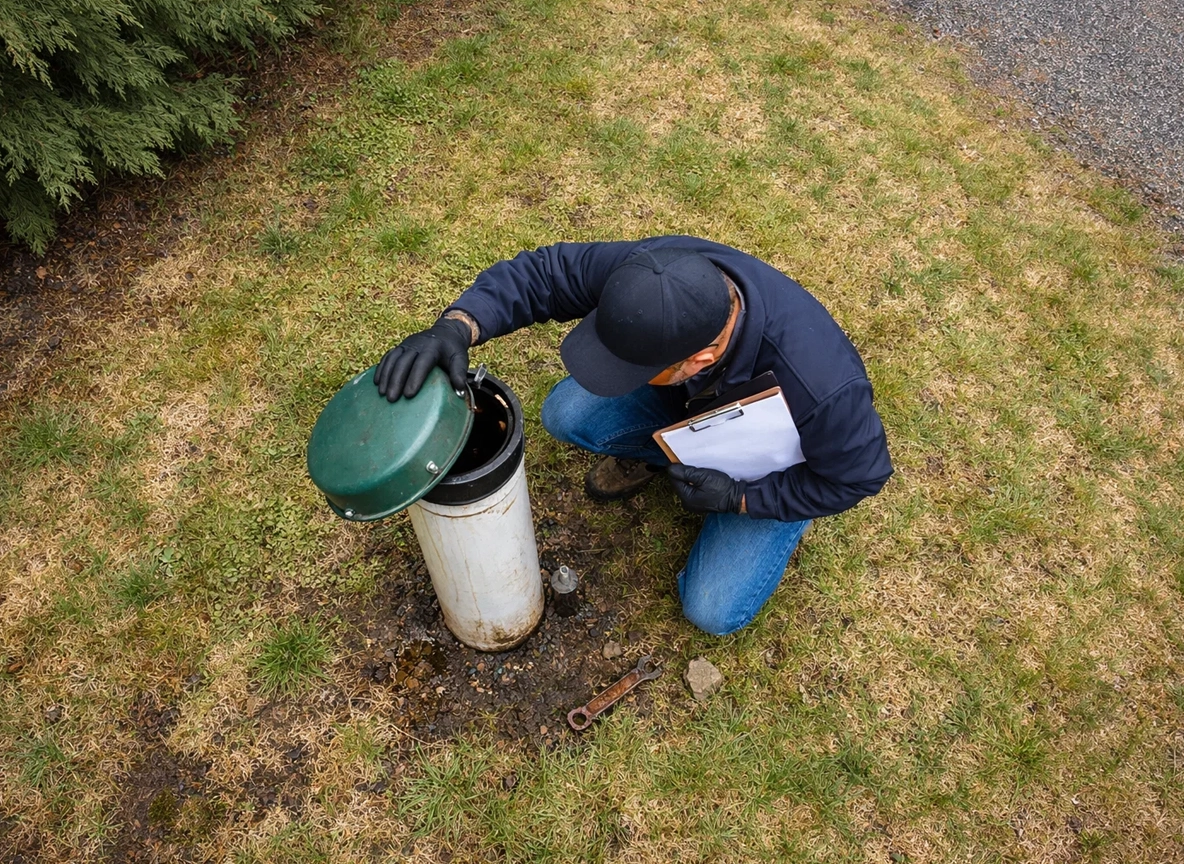
First, understand what a well and water inspection covers. A proper inspection typically includes two parts: a physical well inspection and a water quality test. The physical inspection assesses the well’s location, construction, depth, age, and overall condition. It checks whether the well meets local codes, is properly sealed, and is positioned safely away from potential contamination sources such as septic systems or livestock areas.
The water quality test focuses on what comes out of the tap. Standard tests typically include bacteria (such as total coliform and E. coli), nitrates, pH, hardness, iron, manganese, and total dissolved solids. Depending on the area and property history, additional testing for arsenic, lead, pesticides, or volatile organic compounds may be recommended.
Why a Current and Quick Test Is Important
Don’t rely solely on past test results. Sellers may provide previous water test reports, but they should never replace a new inspection. Water quality can change over time due to seasonal shifts, nearby land use, flooding, or aging well components. As a buyer, you want results that reflect current conditions, not what the water looked like years ago.
Timing matters, too. Water samples should be collected before closing, ideally during the inspection contingency period. This gives you leverage to negotiate repairs, treatment systems, or credits if problems are found. If contamination or mechanical issues are significant, you may decide to walk away—something you’ll be grateful to discover before ownership transfers.
What Happens If Contaminants or Issues Are Discovered?
If issues are found, don’t panic. Many well water problems are fixable. Bacteria can often be addressed with disinfection or filtration. Hard water, iron, or sulfur odors can be managed with softeners or specialized treatment units. Structural well problems may require repairs or, in rare cases, replacement. The key is understanding the scope and cost of solutions before you commit to the purchase.
Finally, think beyond the closing date. Owning a home with a private well means ongoing responsibility. We generally recommend annual water testing for bacteria and periodic testing for other contaminants. Ask us about maintenance schedules, pump lifespan, and warning signs of future issues so you’re prepared for long-term ownership.
A well and water inspection isn’t just another box to check during a home purchase—it’s a critical step to protect your family’s health and your financial investment. With the right testing, expert guidance, and informed decisions, buying a home with well water can be a safe and rewarding choice.