
If you rely on a well pump for your water supply, maintaining it isn’t just a good idea—it’s essential. A well pump is the heart of your private water system, responsible for delivering clean water to your home or business. Just like any mechanical system, it undergoes wear and tear over time. Routine maintenance performed by a qualified professional can significantly extend the life of your pump, improve its efficiency, and prevent costly breakdowns.
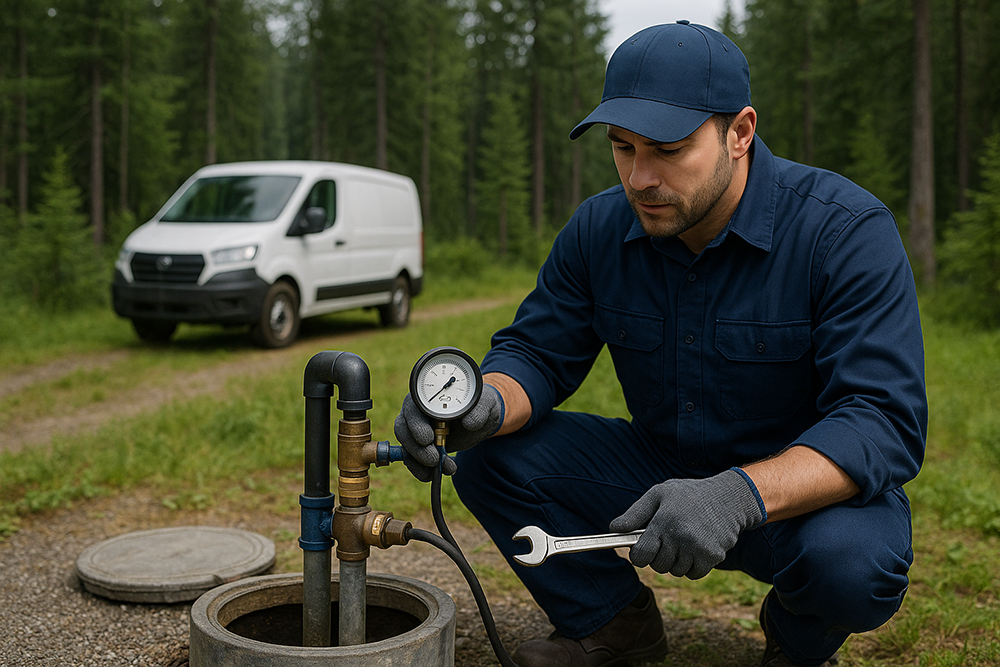
What Does Well Pump Maintenance Include?
Well pump maintenance helps keep your water system safe, reliable, and efficient. A professional well pump service may include:
- Inspecting the pump, pressure tank, and visible system components
- Checking water pressure and pump performance
- Adjusting controls or pressure settings when needed
- Cleaning components affected by sediment or buildup
- Testing for electrical or mechanical issues
- Looking for signs of wear before repairs become urgent
Professional Inspections: Catching Problems Early
A professional inspection is one of the most important steps in well pump maintenance. During an inspection, a technician will check for signs of wear, damage, or malfunction. This might include checking electrical connections, pressure levels, and the condition of the motor and impeller.
The value here lies in early detection. Minor issues—like a small drop in pressure or unusual noise—might seem harmless but can signal bigger problems on the horizon. A trained eye can spot these warning signs before they turn into major repairs or a full pump replacement. Regular checkups help ensure the system is operating safely and efficiently.
Cleaning: Protecting Water Quality and Pump Longevity
Over time, mineral buildup, sediment, and biofilm can accumulate in and around your well pump. This buildup can reduce the efficiency of the system and even lead to contamination of your water supply.
In some cases, a well can benefit from a professional cleaning service that will flush the system, remove sediment, and sanitize components where needed. This not only helps maintain optimal water pressure but can improve the taste and safety of your water. Keeping components clean reduces the strain on your pump and can prevent premature failure.
Adjustments and Calibration: Enhancing Efficiency
Just like tuning a car, making the right adjustments to your well pump can improve performance and save energy. Over time, settings on your well pump system may drift from its ideal levels. Technicians can recalibrate these to ensure the pump is operating within its designed range.
Correct adjustments also help balance water pressure, preventing rapid cycling, a condition where the pump turns on and off too frequently. Rapid cycling puts extra wear on the motor and can dramatically shorten the lifespan of the pump. With periodic recalibration, your system can run more smoothly and consume less electricity.
A Small Investment for Long-Term Reliability
Neglecting your well pump can lead to inconvenient breakdowns, water quality issues, and expensive repairs. On the other hand, consistent professional maintenance offers peace of mind and real cost savings. By investing in regular inspections, cleanings, and adjustments, you’re extending the life of your equipment, protecting your water source, and ensuring reliable service for years to come.
If your well pump hasn’t been serviced in over a year, now is the perfect time to schedule a maintenance visit. Your water, and your wallet, will thank you.
Frequently Asked Questions
Question: Should well water be tested separately from well pump maintenance?
Answer: Yes. Pump maintenance focuses on the equipment, while water testing checks for contaminants that may not affect pump operation. The CDC recommends testing private well water at least annually for total coliform bacteria, nitrates, total dissolved solids, and pH, with additional testing based on local conditions.
Question: Should I have my well water tested after a pump repair or replacement?
Answer: Yes. Work on the well system can create an opportunity for contaminants to enter the water supply. The CDC specifically recommends testing after repairing or replacing any part of a private well system. A state-certified laboratory can provide reliable results and help determine whether additional action is necessary.
Question: What should I do if floodwater reaches my well or well pump?
Answer: Avoid using the well until it has been properly evaluated. Floodwater can introduce bacteria, chemicals, sediment, and debris, and electrical equipment may also present a shock hazard. The EPA recommends professional inspection, appropriate cleaning or disinfection, and water testing before returning a flooded well to normal household use.
Question: Can a technician evaluate a well pump without removing it from the well?
Answer: Often, yes. Technicians can assess factors such as electrical performance, water pressure, flow, cycling, controls, and pressure-tank behavior without immediately pulling a submersible pump. If those tests indicate a problem below ground, removing the pump may then be necessary for a more detailed diagnosis or repair.
Question: Are private wells monitored the same way as public drinking water systems?
Answer: No. Private wells are generally not monitored under the same federal drinking-water requirements that apply to public water systems. Well owners are responsible for arranging water testing and responding to potential problems, which makes regular testing especially important even when the pump itself appears to be working normally.