Ultraviolet light might sound a little too science-y for many people who are looking for proper solutions to their contaminated water. You might remember the term from science books in high school, or from that one college course you took where you needed the credits. While most scientific uses of ultraviolet light aren’t really relevant to us, one use in particular is—water purification.
Ultraviolet light is extremely harmful to single-celled organisms like bacteria and viruses. It causes an effect called “irradiation,” which is something we’ll cover down below. But the important thing to remember is that a UV water purifier can be a great tool for your home if you’re dealing with contaminated water or water that has impurities.
This blog post will be all about UV water purifiers in Olympia, WA, and why your home could be the perfect place for an installation.
How Does a UV Water Purifier Work?
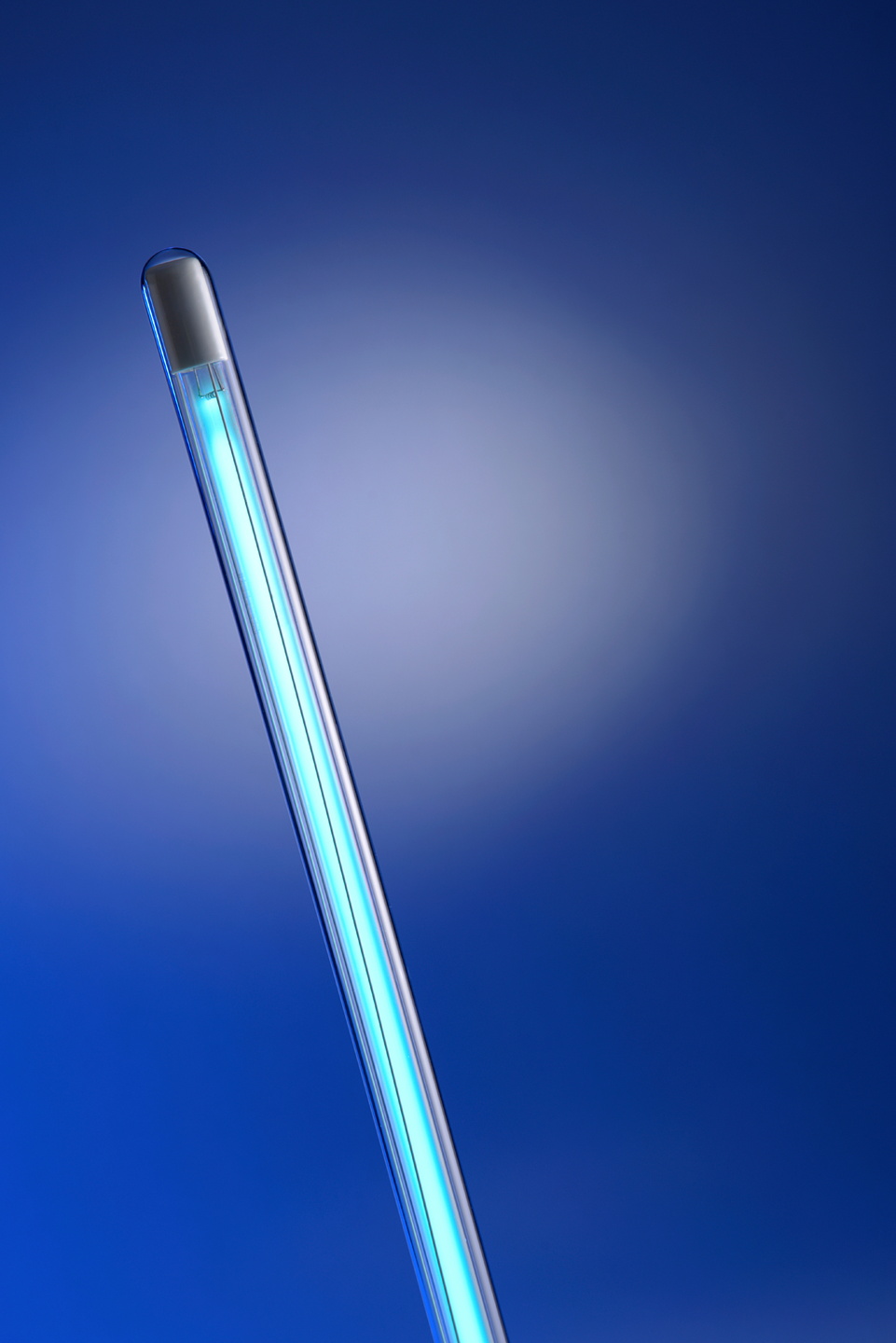
A UV water purifier disinfects water by exposing it to ultraviolet (UV-C) light as it passes through a treatment chamber. The UV light neutralizes harmful microorganisms by damaging their DNA, preventing them from reproducing or causing illness. Key parts of the process include:
- Water flows through a sealed UV chamber containing a specialized ultraviolet lamp.
- UV-C light penetrates microorganisms such as bacteria, viruses, and protozoa.
- The light disrupts their DNA, stopping them from multiplying.
- The water exits disinfected, without chemicals, taste changes, or added byproducts.